Empowering Lives: Navigating Cancer Treatment and Survivorship with Expert Guidance
Navigating the turbulent waters of a cancer diagnosis can feel overwhelming, as if you’ve been tossed into a storm without a life raft. The emotional and physical toll of cancer treatment is profound, but there is a glimmer of hope. Enter expert guidance, the lighthouse that can lead you safely to shore. In this blog, we delve into how the right support can transform cancer journeys, turning daunting challenges into pathways of empowerment, wellness, and advocacy. After all, as the old saying goes, ‘A journey of a thousand miles begins with a single step,’ or in this case, with an informed decision to seek help.
Imagine waking up one day, and the world you knew has changed forever—this is the reality for many upon receiving a cancer diagnosis. With varying types of cancer treatment like chemotherapy, radiation, and immune therapy, it can feel as if you’re navigating a maze with no exit. However, with the support of an oncologist who believes in treating the whole person rather than just the disease, patients build a partnership that fosters understanding and empowerment. These medical professionals, backed by the latest cancer research, can provide invaluable insights while ensuring that every step is taken with care and compassion. How wonderful it is to have a guide who walks with you, speaking the language of health education and real-life experiences.
Effective patient advocacy starts with health awareness and a proactive approach to cancer care. Have you ever been in a situation where you felt as if you were simply a number in a waiting room? That’s a common sentiment among cancer patients, which is why it is crucial to seek out resources that prioritize your needs. From support groups to wellness programs aimed at fostering community engagement, expert guidance can help translate complex medical jargon into relevant, actionable information. Engaging with others who share similar experiences creates a sense of belonging, reminding patients that they are not alone in this journey. Remember, behind every diagnosis is a human being who deserves compassion, understanding, and comprehensive care.
As the treatment progresses, the focus on cancer survivorship becomes paramount. This critical stage of the journey involves addressing not just the physical aspects but also the emotional and social ramifications that could arise during recovery. It is here, amidst the a mix of challenges and uncertainty, that patient support plays an essential role. Empowering survivors entails everything from navigating clinical trials and preventive care strategies to finding joy in life's simple pleasures again. Have you explored how you could contribute to your own healing journey? Whether through art, mindfulness, or physical activity—a holistic approach can lead to a fulfilling life post-treatment, one that defies the limitations of chronic illness and offers new beginnings.
In conclusion, the path through cancer treatment and into survivorship can be daunting, but with expert guidance, it becomes less about survival and more about thriving. Patients who engage actively with their oncologist, utilize cancer resources, and partake in support networks are more likely to emerge on the other side not just as survivors, but as advocates for health education and disease awareness. As we remember that each journey is unique, let's embrace the notion that transformation is possible. So, how will you empower yourself and others facing similar battles? Your vibrant journey toward wellness starts today; take that first step and seek the guidance you truly deserve.
The Road to Recovery: Essential Resources for Cancer Treatment and Survivorship
The journey through cancer treatment can often feel like navigating a vast, uncharted ocean. Each wave of a diagnosis brings both fear and uncertainty; it's essential to equip yourself with a sturdy raft made of reliable resources and expert guidance. As you embark on this road to recovery, understanding the myriad of options available for cancer care is crucial. How can you turn an overwhelming situation into a manageable experience? Let's explore the essential resources that can help you regain control over your health and wellness, steering your ship toward survivorship.
First and foremost, an empowered patient starts with strong health education. Knowledge is your best ally in combatting the chaos that often accompanies a cancer diagnosis. Familiarize yourself with the fundamentals of oncology and cancer treatment modalities such as immune therapy, chemotherapy, and radiation. Engaging with the latest cancer research will not only enlighten you but also inspire a sense of hope. After all, knowledge brings power: ‘The greatest weapon against stress is our ability to choose one thought over another,” said William James. What thoughts are you choosing as you approach your cancer journey?
As you familiarize yourself with treatment options, don’t overlook the importance of patient advocacy. Support groups and organizations dedicated to cancer resources can help navigate the complexities of treatment and recovery. These platforms often connect you with fellow cancer survivors who can share their insights and experiences. It’s comforting to know that you are not alone on this voyage; support groups provide crucial patient support, psychological relief, and foster a sense of community. Have you thought about reaching out to others who understand your journey firsthand?
Moreover, while clinical trials may sound daunting, they are a crucial component of cancer survivorship. Progressive cancer research often means access to cutting-edge treatments crafted from clinical studies. Discuss potential options with your oncologist to stay at the forefront of cancer care. Remember, proactive engagement in your recovery spells the difference between just surviving and truly thriving. What if the experimental treatment could become your pathway to healing and hope?
Lastly, let’s not overlook the role of preventive care in this journey. Maintaining a healthy lifestyle is not only influential in recovery but also vital in avoiding future complications with chronic illness. Incorporate wellness into your daily routine, be it through diet, exercise, or mindfulness practices. Each step taken towards a healthier lifestyle empowers you further on your path of survivorship. As you consider these insights, ask yourself: What actionable steps can you take today to support your journey toward a brighter tomorrow?
Building Supportive Communities: Advocacy, Wellness, and Patient Empowerment in Oncology
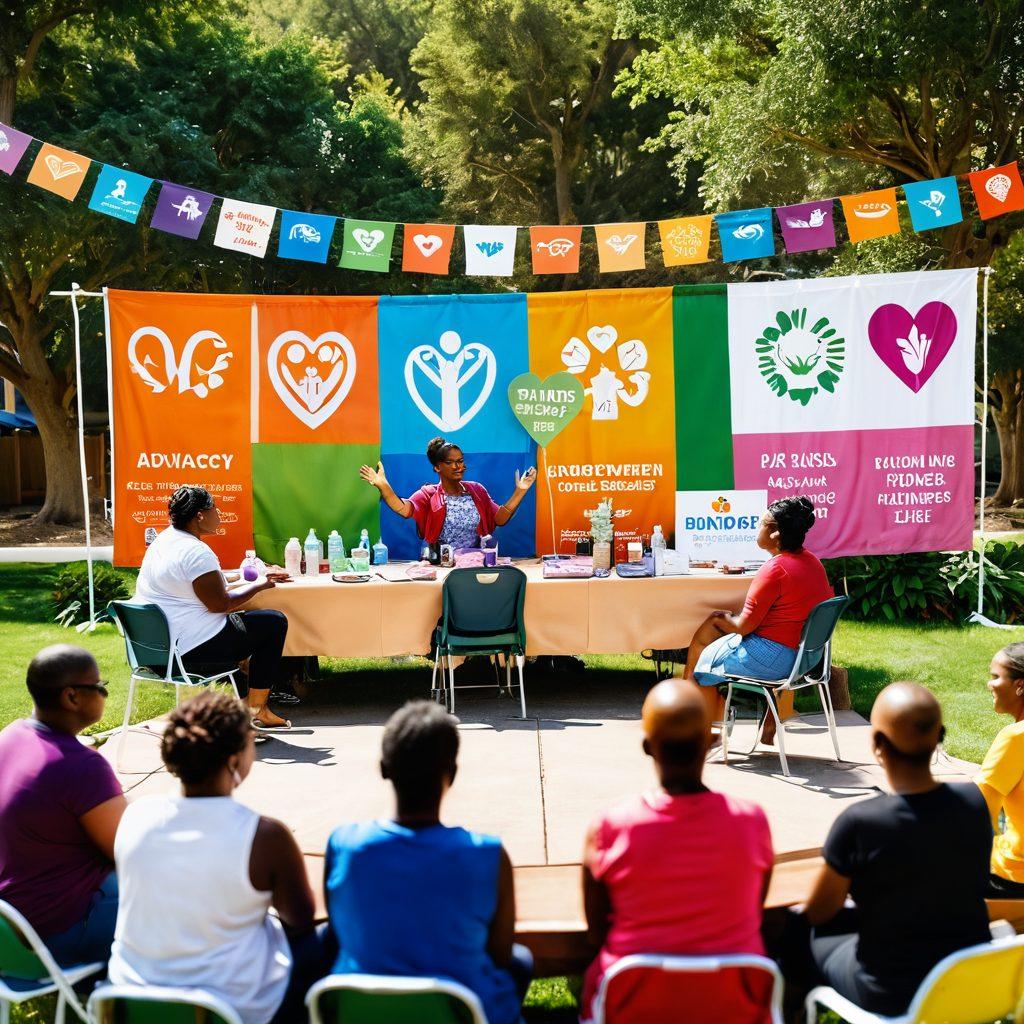
Building a supportive community around cancer treatment is not just about managing the disease; it's about cultivating resilience and hope. Just as a lighthouse guides ships through the storm, supportive communities can offer direction to those navigating the tumultuous waters of cancer diagnosis and treatment. Imagine being surrounded by people who truly understand what you are going through. Wouldn't that make your journey feel less daunting? This is where patient support, advocacy, and wellness interweave to create a rich tapestry of hope for individuals battling chronic illness like cancer.
In the world of oncology, the phrase 'no one fights alone' resonates deeply. Patients often feel like they're on an island, isolated in their struggle. However, when we build supportive communities, we ensure that every journey is accompanied. Advocacy plays a critical role in this; it raises health awareness and emphasizes the importance of collaborative care. As an oncologist once poignantly stated, 'Our strength lies in each other; every shared story is a beacon for those still fighting their battles.' These communities empower patients, giving them a voice and connecting them with invaluable cancer resources that can change their narrative.
Wellness doesn’t end with treatment; it is an ongoing journey, especially for cancer survivors. Engaging in support groups can help foster a sense of belonging and understanding, allowing individuals to share their triumphs and trials along the path of cancer survivorship. Have you ever considered how much strength lies in shared experiences? From personalized wellness plans to collective coping strategies, shared environments can facilitate not only healing but also personal growth. Awareness about preventive care and healthy living is imperative, and support systems can keep patients motivated to pursue a healthier lifestyle post-treatment.
Another aspect worth exploring is the relationship between health education and patient empowerment. With advancements in cancer research and immune therapy, patients are more informed about their options than ever before. Engaging in health blogs and patient advocacy platforms can help individuals make better informed decisions regarding their care. Are you proactive in seeking information about your diagnosis? This journey is not one to be taken passively; become an active participant. Armed with knowledge from trusted cancer resources and clinical trials, patients can work in tandem with their healthcare providers to design the ultimate cancer care plan tailored to their unique needs.
Building these supportive networks is not a solitary task; it requires community participation, understanding, and a willingness to help others. As we advocate for disease awareness, we also foster a culture of empathy and kindness. Let us remember that every person’s cancer journey is unique, and there is no one-size-fits-all approach to navigating cancer treatment. Whether it’s through online forums, local support groups, or public health campaigns, there are countless opportunities for individuals to contribute to the empowerment of others. Engage, contribute, and uplift; together, we can create a powerful force for change in the world of oncology and patient advocacy.